
One of the most crucial, yet often overlooked, aspects of vehicle upkeep is a transmission oil change. Whether you drive a sedan, SUV, or luxury car, maintaining optimal transmission performance is key to a smooth and safe driving experience.
In this detailed guide, we’ll walk you through a comprehensive checklist for a transmission oil change, highlighting when, why, and how to get it done.
Why Is Transmission Oil Change Important?

Transmission oil (or fluid) plays a vital role in your car’s performance. It lubricates moving parts, cools the transmission system, and ensures seamless gear shifting. Over time, this fluid degrades, becomes dirty, and loses its effectiveness, which can result in:
● Hard or delayed shifting
● Transmission overheating
● Gear slippage
● Reduced fuel efficiency
● Potential transmission failure
Ignoring this can lead to hefty repair bills. Regular transmission oil changes help extend your car’s life and maintain optimal performance.
Ideal Frequency for Transmission Oil Change
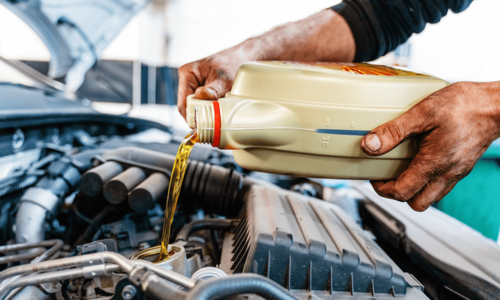
The ideal interval for changing your transmission oil can vary based on several factors:
● Manufacturer recommendation (usually every 30,000 to 60,000 km)
● Driving conditions (Dubai’s heat and frequent stop-and-go traffic can require more frequent changes)
● Vehicle type (automatic vs. manual)
To stay safe, it’s advisable to check your owner’s manual and have a professional mechanic inspect the fluid condition regularly.
Checklist for a Transmission Oil Change
To ensure your transmission oil change goes smoothly and effectively, follow this complete checklist:
 1. Identify the Transmission Type
● Automatic Transmission: Requires specific automatic transmission fluid (ATF).
● Manual Transmission: Uses gear oil, which differs from ATF.
Using the wrong type can severely damage your vehicle’s transmission system.
2. Check Manufacturer’s Recommendations
● Review your car manual for fluid type, change interval, and capacity.
● Choose Service My Car for guidance if you’re unsure — experts here know all specifications.
3. Check for Signs That Indicate a Fluid Change
Be on the lookout for these warning signs:
● Burning smell from the engine
● Unusual noises while shifting gears
● Delayed gear engagement
● Dashboard warning lights
● Dark or gritty fluid on the dipstick
4. Inspect Transmission Fluid Condition
You can do a basic fluid check with the dipstick:
● Healthy fluid: Bright red and transparent
● Unhealthy fluid: Dark, dirty, or burnt-smelling
Note: Some newer cars don’t have a dipstick.
5. Prepare Your Vehicle
Before heading for a change:
● Park your car on level ground
● Warm up the engine slightly (to thin the fluid)
● Ensure you have the correct tools and parts (if you plan to do it yourself)
6. Drain the Old Transmission Fluid
This involves:
● Lifting the car
● Removing the drain plug
● Collecting old fluid in a suitable container
● Removing the transmission pan (for cleaning)
Warning: Fluid may still be hot — proceed with caution or choose a professional service.
7. Clean the Transmission Pan and Replace the Filter
● Remove sludge and debris from the pan
● Replace the filter to ensure the new fluid stays clean
● Inspect for metal shavings or unusual debris
8. Install a New Gasket
● A new gasket helps seal the transmission pan and prevents future leaks.
● Reinstall the pan and torque bolts to the correct specification.
9. Refill with New Transmission Oil
● Use the fluid recommended by your car manufacturer.
● Add it gradually, checking the dipstick regularly.
● Avoid overfilling — it can cause frothing and pressure build-up.
10. Test Drive and Recheck Levels
After refilling:
● Run the engine and go through all gears
● Take a short drive to circulate the new fluid
● Recheck fluid level and top up if necessary
Common Myths About Transmission Oil Changes — Busted!
 Myth 1: Transmission oil never needs changing.
Truth: It breaks down over time and collects contaminants.
Myth 2: Topping off is enough.
Truth: Full replacement and filter change are essential.
Myth 3: It’s okay to mix different brands/types.
Truth: Always use the manufacturer-recommended fluid.
Myth 4: It’s a DIY job for everyone.
Truth: Mistakes can be costly — it’s safer with professional help.
FAQs: Transmission Oil Change
Q1. How long does a transmission oil change take?
Answer: A typical transmission oil change at Service My Car takes around 60 to 90 minutes, depending on the car model.
Q2. Can I drive with dirty transmission fluid?
Answer: It’s not advisable. Dirty fluid can cause shifting issues, reduce efficiency, and damage your transmission.
Q3. What’s the cost of a transmission oil change?
Answer: Prices vary by vehicle model.
Q4. Is transmission oil the same as engine oil?
Answer: No. Transmission fluid is specially designed for lubrication and hydraulic pressure in the transmission system.
Final Thoughts
Your vehicle is an investment, and taking proper care of its transmission is key to its longevity and performance.
In this detailed guide, we’ll walk you through a comprehensive checklist for a transmission oil change, highlighting when, why, and how to get it done.
Why Is Transmission Oil Change Important?
Transmission oil (or fluid) plays a vital role in your car’s performance. It lubricates moving parts, cools the transmission system, and ensures seamless gear shifting. Over time, this fluid degrades, becomes dirty, and loses its effectiveness, which can result in:
● Hard or delayed shifting
● Transmission overheating
● Gear slippage
● Reduced fuel efficiency
● Potential transmission failure
Ignoring this can lead to hefty repair bills. Regular transmission oil changes help extend your car’s life and maintain optimal performance.
Ideal Frequency for Transmission Oil Change
The ideal interval for changing your transmission oil can vary based on several factors:
● Manufacturer recommendation (usually every 30,000 to 60,000 km)
● Driving conditions (Dubai’s heat and frequent stop-and-go traffic can require more frequent changes)
● Vehicle type (automatic vs. manual)
To stay safe, it’s advisable to check your owner’s manual and have a professional mechanic inspect the fluid condition regularly.
Checklist for a Transmission Oil Change
To ensure your transmission oil change goes smoothly and effectively, follow this complete checklist:
1. Identify the Transmission Type● Automatic Transmission: Requires specific automatic transmission fluid (ATF).
● Manual Transmission: Uses gear oil, which differs from ATF.
Using the wrong type can severely damage your vehicle’s transmission system.
2. Check Manufacturer’s Recommendations● Review your car manual for fluid type, change interval, and capacity.
● Choose Service My Car for guidance if you’re unsure — experts here know all specifications.
3. Check for Signs That Indicate a Fluid ChangeBe on the lookout for these warning signs:
● Burning smell from the engine
● Unusual noises while shifting gears
● Delayed gear engagement
● Dashboard warning lights
● Dark or gritty fluid on the dipstick
4. Inspect Transmission Fluid ConditionYou can do a basic fluid check with the dipstick:
● Healthy fluid: Bright red and transparent
● Unhealthy fluid: Dark, dirty, or burnt-smelling
Note: Some newer cars don’t have a dipstick.
5. Prepare Your VehicleBefore heading for a change:
● Park your car on level ground
● Warm up the engine slightly (to thin the fluid)
● Ensure you have the correct tools and parts (if you plan to do it yourself)
6. Drain the Old Transmission FluidThis involves:
● Lifting the car
● Removing the drain plug
● Collecting old fluid in a suitable container
● Removing the transmission pan (for cleaning)
Warning: Fluid may still be hot — proceed with caution or choose a professional service.
7. Clean the Transmission Pan and Replace the Filter● Remove sludge and debris from the pan
● Replace the filter to ensure the new fluid stays clean
● Inspect for metal shavings or unusual debris
8. Install a New Gasket● A new gasket helps seal the transmission pan and prevents future leaks.
● Reinstall the pan and torque bolts to the correct specification.
9. Refill with New Transmission Oil● Use the fluid recommended by your car manufacturer.
● Add it gradually, checking the dipstick regularly.
● Avoid overfilling — it can cause frothing and pressure build-up.
10. Test Drive and Recheck LevelsAfter refilling:
● Run the engine and go through all gears
● Take a short drive to circulate the new fluid
● Recheck fluid level and top up if necessary
Common Myths About Transmission Oil Changes — Busted!
Myth 1: Transmission oil never needs changing. Truth: It breaks down over time and collects contaminants. Myth 2: Topping off is enough. Truth: Full replacement and filter change are essential. Myth 3: It’s okay to mix different brands/types. Truth: Always use the manufacturer-recommended fluid. Myth 4: It’s a DIY job for everyone. Truth: Mistakes can be costly — it’s safer with professional help.FAQs: Transmission Oil Change
Q1. How long does a transmission oil change take?
Answer: A typical transmission oil change at Service My Car takes around 60 to 90 minutes, depending on the car model.
Q2. Can I drive with dirty transmission fluid?
Answer: It’s not advisable. Dirty fluid can cause shifting issues, reduce efficiency, and damage your transmission.
Q3. What’s the cost of a transmission oil change?
Answer: Prices vary by vehicle model.
Q4. Is transmission oil the same as engine oil?
Answer: No. Transmission fluid is specially designed for lubrication and hydraulic pressure in the transmission system.
Final Thoughts
Your vehicle is an investment, and taking proper care of its transmission is key to its longevity and performance.